
Bruxism, popularly known as tooth clenching or teeth grinding is an involuntary movement of the jaw, usually done without realizing it. Today, with stressful living conditions, sleep disorders and psychological pressures, this condition has become quite common. Since teeth clenching occurs unnoticed, especially at night during sleep, most people can only realize this situation when they are checked by a dentist.
What are the Symptoms of Bruxism?
Symptoms of bruxism may differ from person to person, but the most common symptoms are the following:
- In the morning jaw pain, tension in the facial muscles or headache wake up with
- Wear on teeth, formation of cracks or fractures
- Thinning of tooth enamel and increased sensitivity
- Pain around the ear, but the fact that there's no problem with the ear
- In the jaw joint (TMJ) clicks, locks or noises when opening and closing
- Without realizing it during the day keeping teeth clenched
- Hearing by the partner during sleep teeth grinding sounds
If you have one or more of these symptoms, you may be suffering from bruxism.
Causes of Bruxism
Under bruxism is usually psychological, physiological and environmental factors play a role together. The most common causes are as follows:
1. Stress and Anxiety
The most basic cause of bruxism is stress. Anxieties, pressures and tensions experienced in daily life can subconsciously manifest themselves as clenching behavior. If the body cannot relax, especially during sleep, the jaw muscles contract involuntarily.
2. Sleep Disorders
Asleep apnea (breathing arrest), can trigger episodes of clenching. This is more common in people with poor sleep quality.
3. Tooth Closing Disorders (Malocclusion)
When the upper and lower teeth do not touch each other correctly, the jaw muscles try to maintain balance. This causes involuntary contractions.
4. Drugs and Stimulants
Some antidepressants, Caffeine, nicotine and alcohol Stimulants such as stimulants can affect the nervous system and increase clenching behavior.
5. Personality Traits
Bruxism is more common in individuals with perfectionist, impatient, competitive and controlling personality structure.
Consequences and Harms of Bruxism
When bruxism is left untreated, it can lead to serious problems over time.
This damage is not limited to the teeth; it can affect the jaw, head, neck and even shoulder muscles:
- Excessive wear on tooth surfaces and shortening of tooth length
- Gum recession and sensitivity of tooth roots
- Damage to fillings, crowns or implants
- Jaw joint disorders (TMJ disorders)
- Chronic headache, migraine, stiff neck
- Long term facial asymmetry or enlargement of the jaw muscles (masseter hypertrophy)
How is Bruxism Diagnosed?
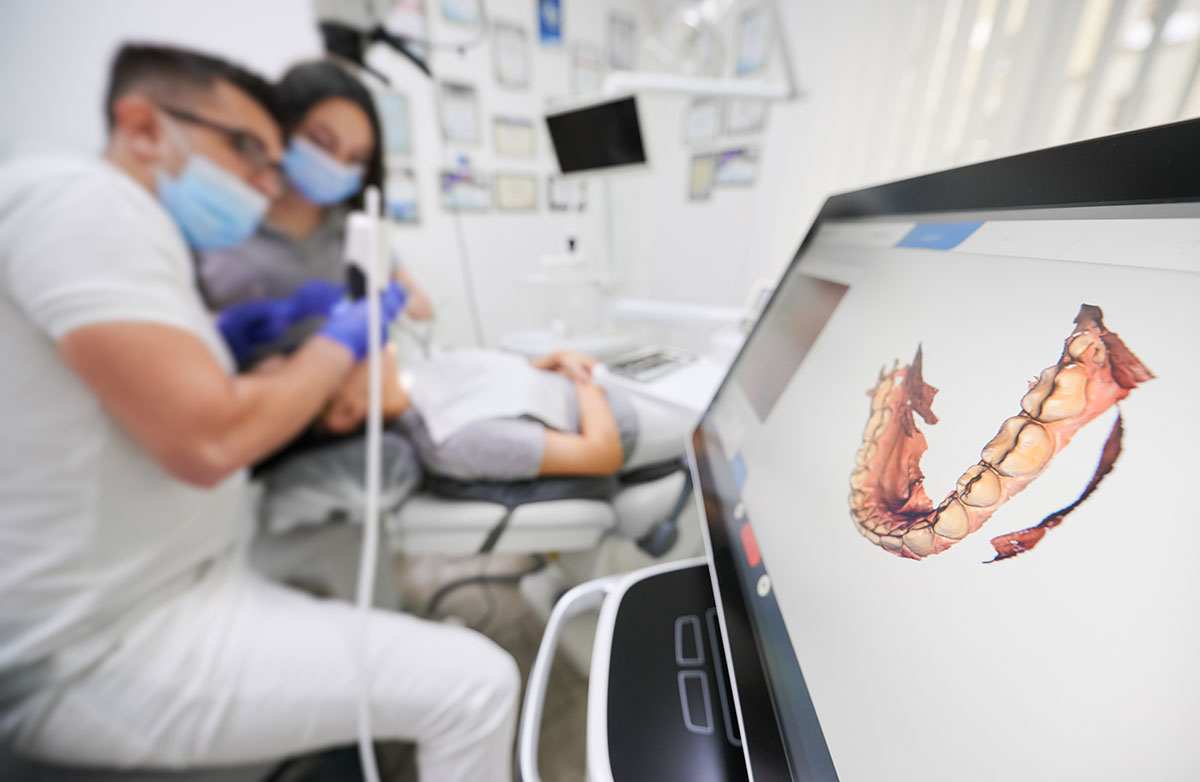
Bruxism is usually dentist examination during the treatment. The doctor makes a diagnosis by examining the wear and cracks in the teeth and movements in the jaw joint.
In some cases sleep laboratory (polysomnography) tests measure the frequency and severity of clenching.
Bruxism Treatment Methods
The aim of the treatment of bruxism is both reduce symptoms and also is to remove the root cause.
1. Night Plate (Tooth Protective Appliance)
It is the most common treatment method. A custom-made transparent dental plate prevents the teeth from damaging each other during sleep. It also relaxes the jaw muscles.
2. Stress Management and Psychological Support
If stress is at the root of bruxism, breathing exercises, yoga, meditation or psychotherapy stress levels can be reduced by methods such as.
3. Physiotherapy and Massage
Applied to the jaw, neck and shoulder muscles muscle relaxing massages and exercises relieve tension in the muscles.
In some cases heat applications or electrotherapy methods also help.
4. Medication Therapy
Under doctor's supervision in very severe muscle contractions muscle relaxants or anxiolytics can be used.
However, these medicines are temporary solutions and must be taken under expert supervision.
5. Botox Application
With this method, which has become popular in recent years, a low dose to the jaw muscle botulinum toxin (botox) is injected. This procedure prevents excessive contraction of the muscle and significantly reduces clenching. The effect lasts 4-6 months.
6. Dental Treatments
If there is tooth wear or malocclusion, filling, veneering or orthodontic The contact surface of the teeth is corrected with treatments.
Natural Ways to Cope with Bruxism
Some simple measures that can be applied at home to support treatment are also very effective:
- Caffeine, smoking and alcohol limit consumption.
- Taking a hot shower before going to bed or compressing the chin area with a hot towel relaxes the muscles.
- Try to notice if you clench your teeth during the day.
- Reduce the habit of chewing gum, which exercises the masticatory muscles.
- Adequate sleep and regular exercise reduces stress levels.
Is Bruxism Seen in Children?
Yes, bruxism in children can be seen. It usually develops during teething periods or due to school stress.
Teeth clenching in children is usually temporary, but if it persists, the dentist may recommend the use of a protective appliance.
When to consult a doctor?
You should contact your dentist in the following cases:
- In the mornings you wake up with a jaw or headache,
- Your teeth wear, breakage or sensitivity if any,
- Your spouse or relative teeth grinding sound in sleep if he hears it,
- In your jaw joint locking or clicking sound if you feel,
- During periods of stress if you notice that you are clenching your teeth more and more.
Conclusion: Bruxism is a Treatable Problem
Bruxism is a problem with both physical and psychological aspects. However, it can be completely controlled with early diagnosis and the right approach.
Remember, protecting your teeth is not only important for aesthetics, but also for your overall health.
If you wake up in the morning with jaw pain or complain of teeth grinding, you should consult a dentist immediately.
 Turkish
  English