
The Treatment of the Future Today
Digital technologies are transforming every aspect of our lives. Dentistry is one of the health fields most affected by this transformation. Widespread in recent years digital dentistry, Beyond facilitating treatment processes; it maximizes patient satisfaction by providing faster, more comfortable and more accurate results. At the center of these technologies 3D mouth scanning devices, digital measurement systems and computer-aided design and manufacturing (CAD-CAM) systems.
In this article, we tell you all the curious details such as what digital dentistry is, how it is applied, what advantages it offers and in which treatments it is used.
What is Digital Dentistry?
Digital dentistry is a modern approach that enables the procedures performed with classical methods to be performed more precisely and quickly with computer-aided systems. Instead of time-consuming steps such as traditional impression taking, mold filling, and sending to the laboratory; digital scanners are used and an exact digital model of the patient's mouth is obtained in a few seconds.
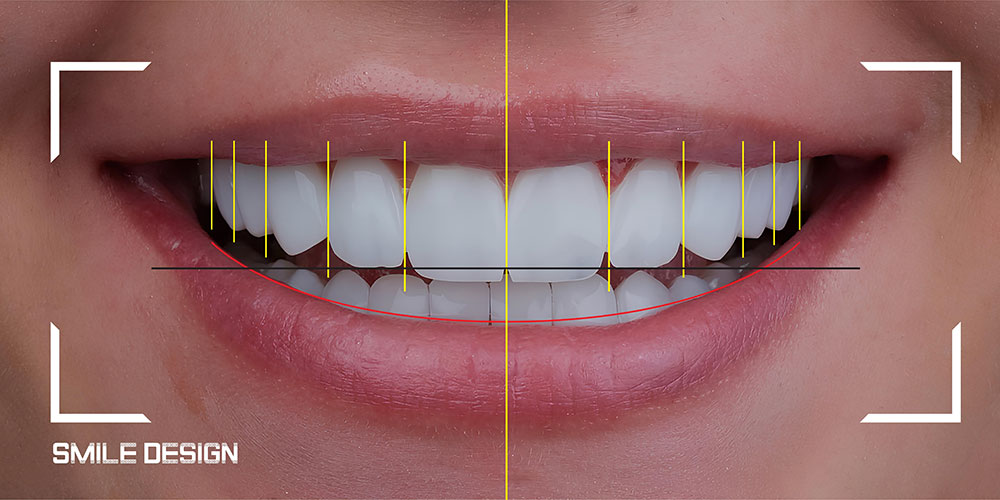
Thanks to this model, the physician can plan the treatment with millimeter precision. Moreover, the patient can see what kind of smile he/she will have in the digital environment even before the treatment begins. “preview” by doing so.
How Does 3D Mouth Scanning Technology Work?
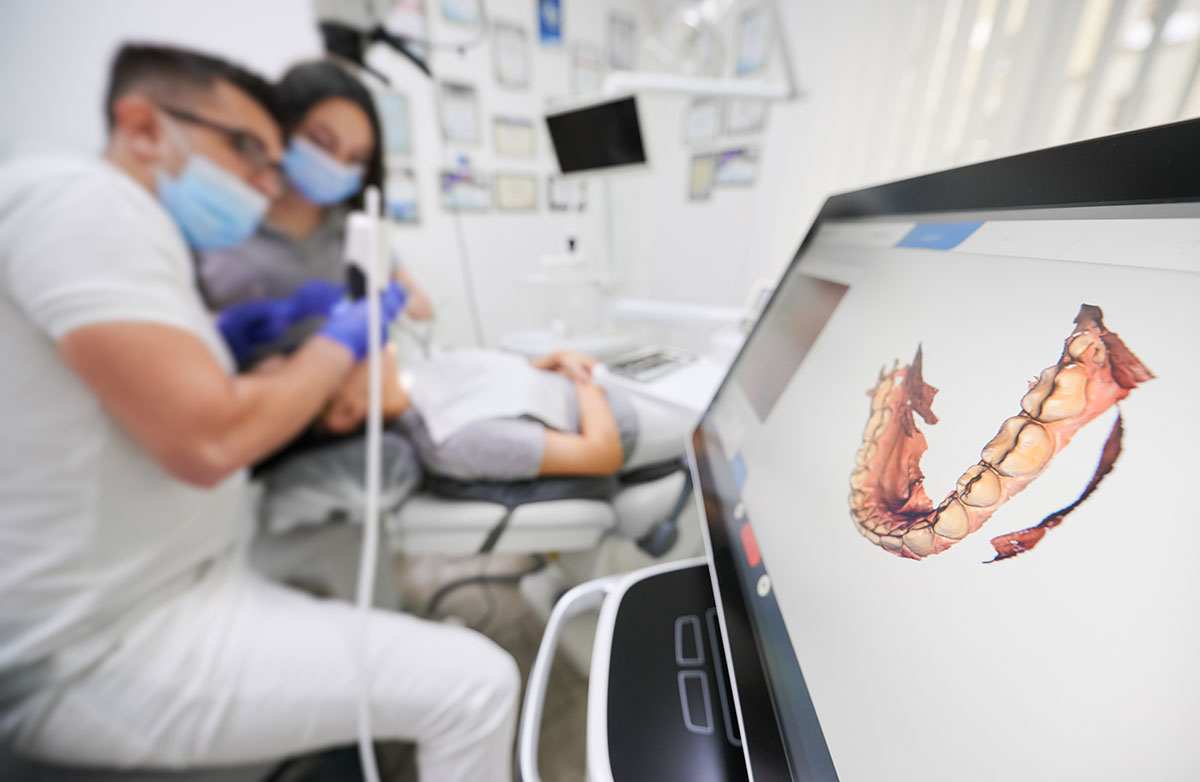
3D mouth scanners are advanced devices that scan the inside of the mouth in high resolution in seconds. The device reads the shape of the teeth and soft tissues with light and transfers it to the computer as a three-dimensional model.
The screening process consists of the following steps:
- Intraoral Preparation: The physician briefly checks the scanning area and improves visibility with mirrors.
- Screening Process: A handheld scanner is slowly moved over the teeth. In the process, thousands of image points are collected.
- 3D Model Creation: The collected data is converted into a three-dimensional digital measurement within a few seconds.
- Digital Planning: The resulting model is used for planning veneers, implants, smile design or orthodontic treatment.
The process is completely hygienic, does not cause pain or pressure and does not cause the patient to spit up or nausea.
Advantages of Digital Dentistry
Digital systems offer many advantages to both patients and dentists. We can list the most important benefits as follows:
1. Higher Accuracy and Precision
Traditional measurements have a high margin of error. The mold may deteriorate, the impression may overflow or deformation may occur. Digital scans, on the other hand, measure with millimeter precision. This ensures a perfect fit in procedures such as veneers, zirconium and implant prostheses.
2. Ultimate Comfort for Patients
The paste, which used to be used during measurement, is frequently used in patients. nausea reflex that used to be created by the 3D scanners. Thanks to 3D scanners, this situation has been completely eliminated. Patients can exit the procedure in just a few seconds.
3. Shortens Treatment Times
Digital measurements are instantly shared with the laboratory. Measurement does not have to be taken again, no data loss occurs. In this way:
- Zirconium veneers
- Lamina (porcelain leaf)
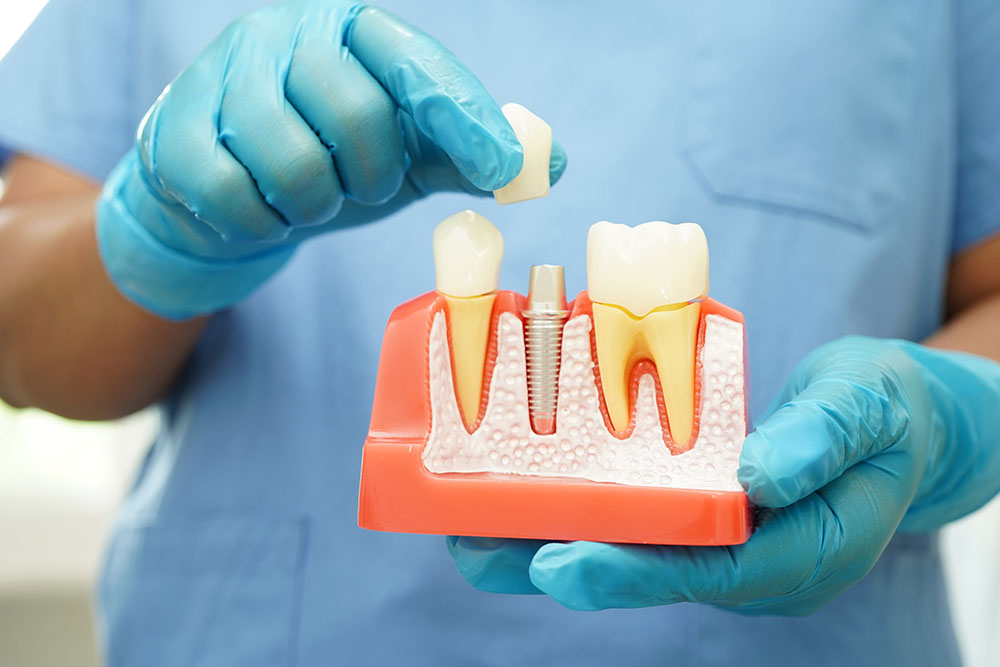
- Implant prostheses
is prepared in a much shorter time than traditional methods.
4. Flawless Results in Smile Design
With digital smile design programs, the most suitable tooth form is created for the patient's facial features. The patient gets a clear answer to the question “how will the result look like?” before the procedure is performed.
5. Single Session Veneer Production (CAD-CAM)
Thanks to 3D scanning and CNC devices in some clinics on the same day aesthetic coatings can be produced. These systems are a combination of CAD (design) and CAM (manufacturing) technologies.
6. Ease of Digital Archiving
The patient's mouth model can be stored digitally. When treatment is needed after a while, the impression is not taken again; the data from the archive is used.
Treatment Areas Using Digital Technologies
Digital dentistry has a wide range of applications. The most common applications are:
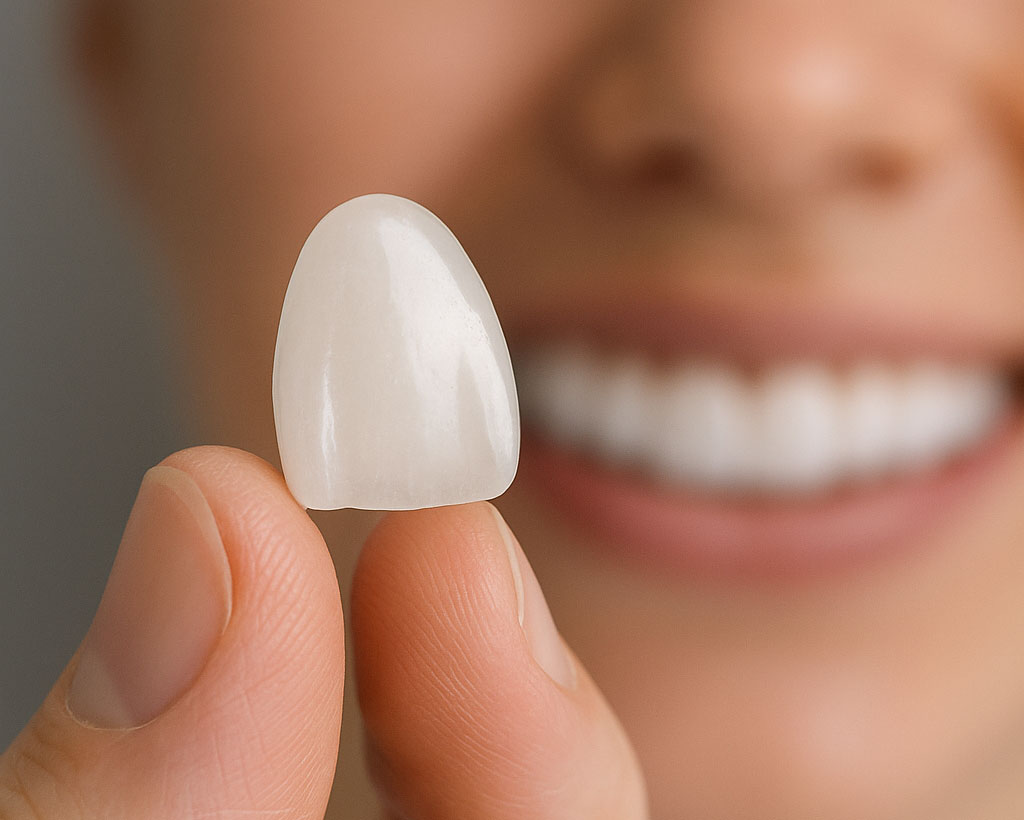
Zirconium and Porcelain Veneers
Thanks to digital measurements, the harmony, aesthetic appearance and function of the coatings are much more successful.
✓ Smile Design
Personalized smile designs are prepared with 3D models and facial analysis programs.
Implant Treatments
The use of a digital guide in implant planning makes surgical procedures safer and faster.
Orthodontics (Transparent Plate Treatment)
Invisalign and similar clear aligner systems are created entirely with digital mouth scans.
✓ Lamina (Leaf Porcelain)
Aesthetic results are achieved with minimal abrasion on the teeth. Digital cutting and planning ensures a perfect fit.
Why is Digital Dentistry So Popular?
Digital systems have become very popular as patient satisfaction has increased and treatment times in clinics have decreased significantly. Moreover:
- More natural tooth color determination
- Fewer sessions
- More predictable results
These advantages have made digital technologies a must-have for modern dentistry.
Patients now want to see the result, know the duration and experience a more comfortable procedure before starting a treatment process. Digital dentistry makes this possible.
The Future of Dental Treatments Has Already Begun
Thanks to digital dentistry, it is now much easier to achieve both more aesthetic and healthier results. Applications such as 3D scanning, computer-aided design and digital smile planning are becoming standard services of modern clinics.
If you are looking for dental treatment options that offer fast, comfortable, painless and precise results, applications made with digital technologies are for you.
 Turkish
  English